





ADEMPAS DELIVERS SIGNIFICANT IMPROVEMENTS ACROSS 4 CRITICAL PARAMETERS1

Improvement in 6MWD
Improvement in WHO FC

Improvement in time to clinical worsening*
Improvement in PVR and NT-proBNP
6MWD=6-minute walking distance; NT-proBNP=n-terminal prohormone of brain natriuretic peptide; PVR=pulmonary vascular resistance; WHO FC=World Health Organization Functional Class.
*Time to clinical worsening was a combined endpoint defined as death (all-cause mortality), heart/lung transplantation, atrial septostomy, hospitalization due to persistent worsening of pulmonary hypertension, start of new PAH-specific treatment, persistent decrease in 6MWD, and persistent worsening of WHO FC.
PATENT-1 STUDY DESIGN1,2
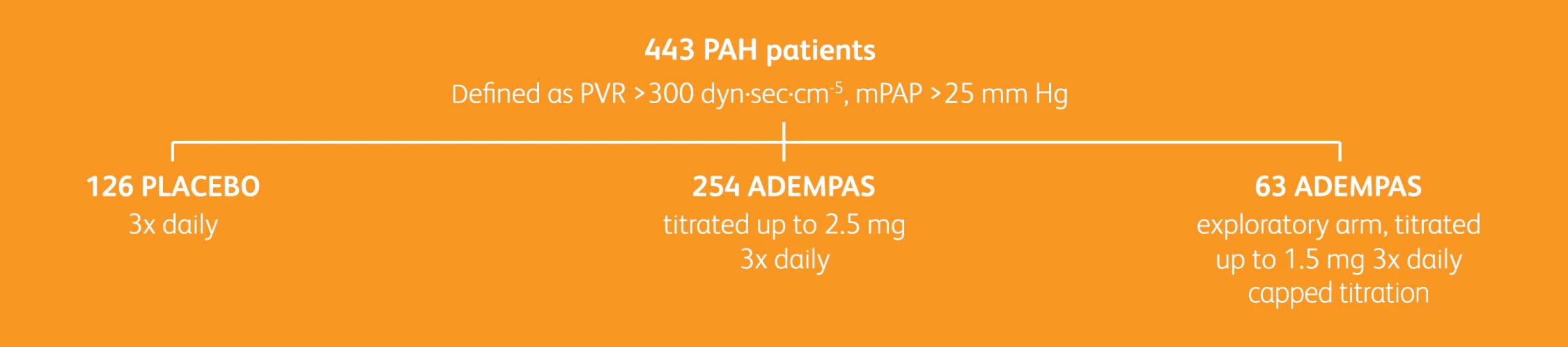
Pulmonary Arterial Hypertension Soluble Guanylate Cyclase–Stimulator Trial 1 (PATENT-1) was a randomized, double-blind, multinational, multicenter, placebo-controlled, 12-week phase 3 study.

BASELINE CHARACTERISTICS
Mean age: 51 years (~80% female)
PAH cause: Idiopathic (61%), familial (2%), associated with connective tissue disease (25%), congenital heart disease (8%), portal hypertension (3%), or anorexigen/amphetamine use (1%)
WHO FC: II (42%); III (54%)
Mean 6MWD baseline: 363m
Exclusions: Patients with SBP <95 mm Hg

TREATMENT CHARACTERISTICS
Treatment status: Treatment-naïve (50%), pretreated with endothelin receptor antagonist (ERA) (44%), and pretreated with prostacyclin analog (PCA) (6%)
Pretreatment definition: On stable treatment for 3 months with an ERA or PCA; Adempas was combined with these therapies
Concomitant medications: Oral anticoagulants, diuretics, digitalis, calcium channel blockers, and oxygen were allowed

DOSING CHARACTERISTICS
Initiation: 1 mg 3x daily
Groups: Adempas at 2.5 mg 3x daily; Adempas at 1.5 mg 3x daily; placebo
Titration: ~75% were titrated to 2.5 mg 3x daily by Week 12
Adempas titrated every 2 weeks based on SBP and signs or symptoms of hypotension
FC=functional class; mPAP=mean pulmonary arterial pressure; SBP=systolic blood pressure.
EXERCISE CAPACITY (6MWD)
START WITH A TREATMENT THAT SHOWED EARLY IMPROVEMENT IN EXERCISE CAPACITY AND SIGNIFICANT RESULTS AT WEEK 121
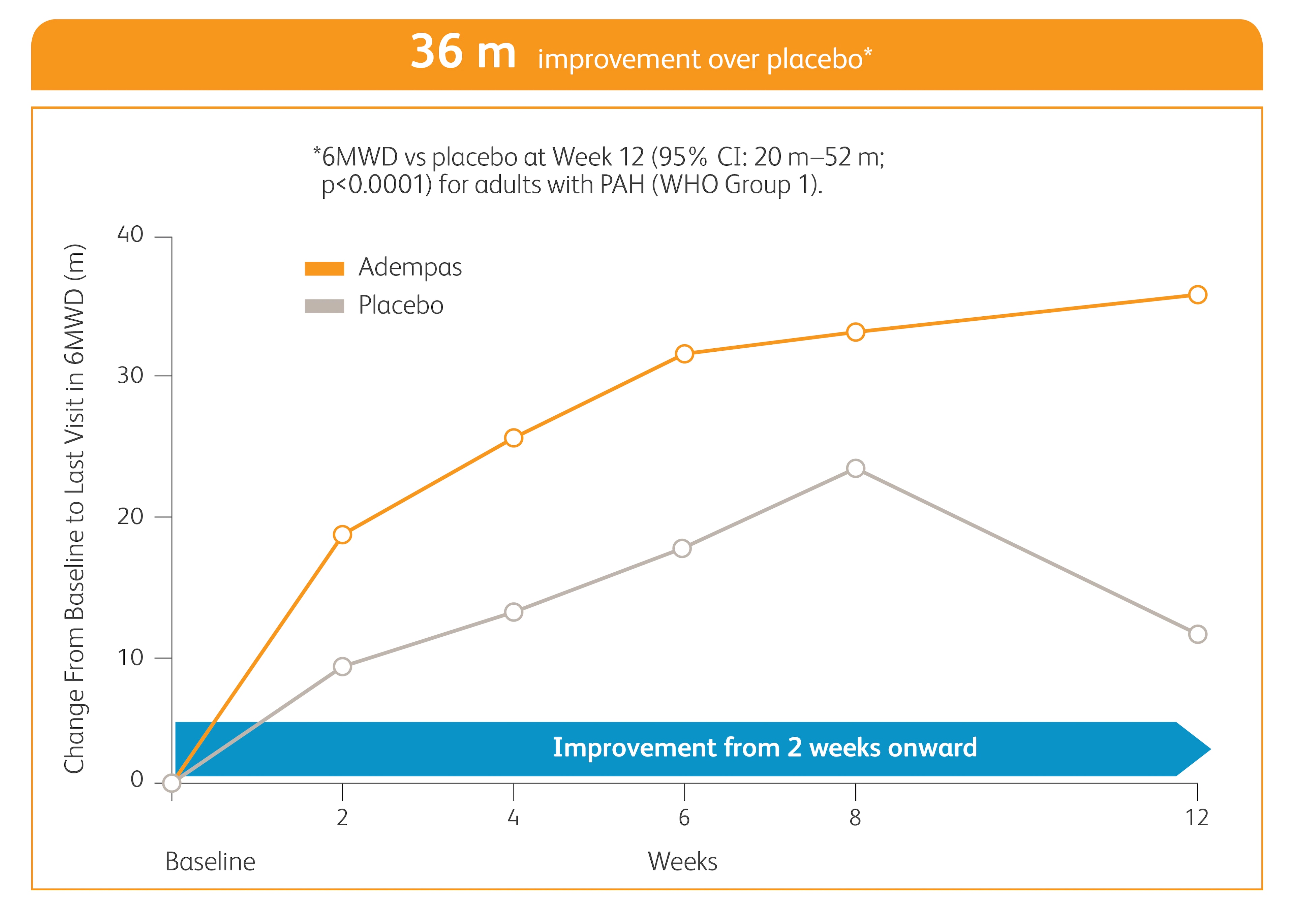
Improvement in 6MWD was observed at 2 weeks and continued through 12 weeks1
SIGNIFICANT IMPROVEMENT IN 6MWD AT WEEK 121
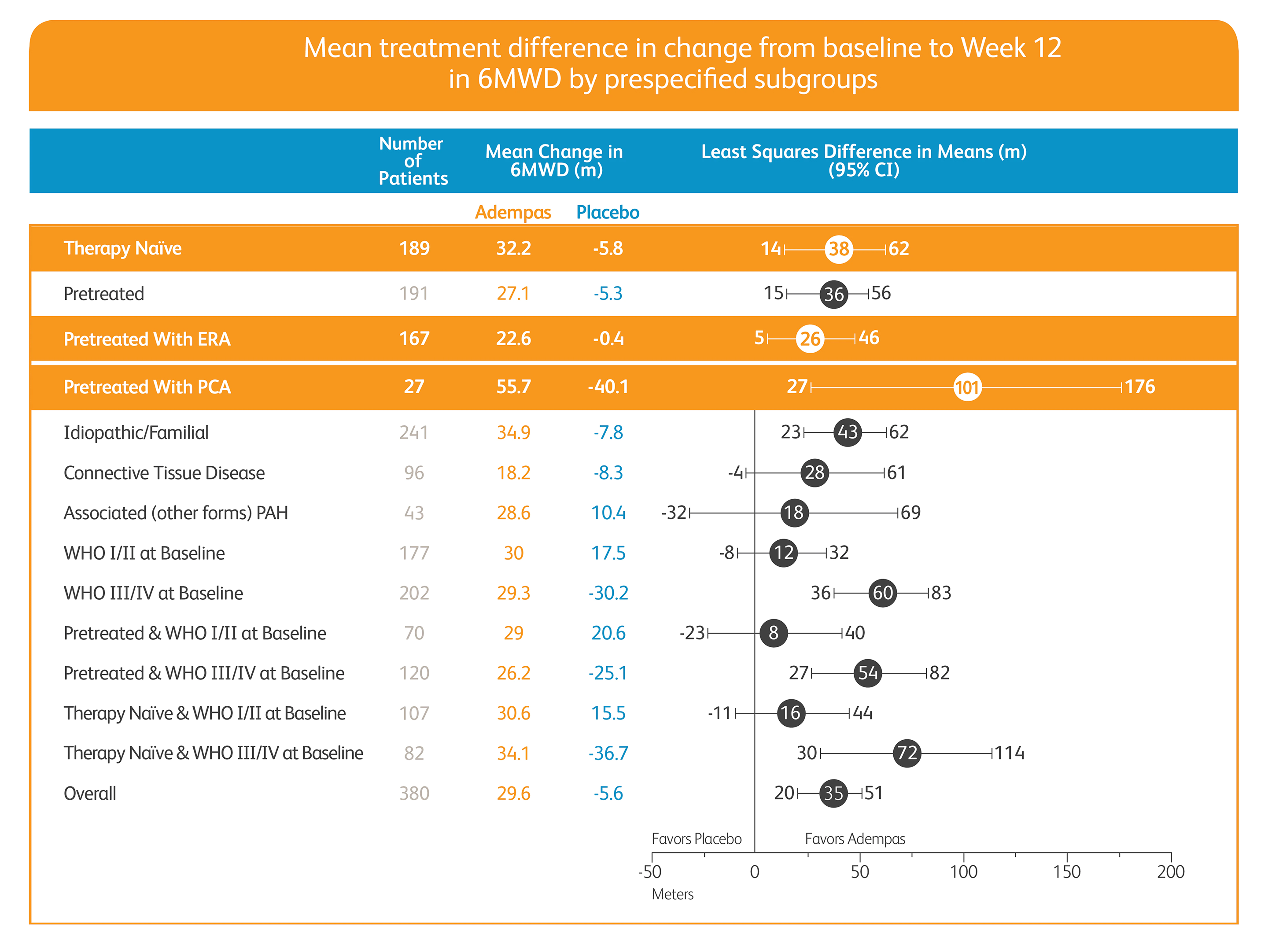
PATIENT SUBGROUPS
START WITH ADEMPAS FOR PROVEN RESULTS ALONE OR IN COMBINATION WITH AN ERA OR PCA1
Adempas demonstrated improvements in 6MWD
- As monotherapy
- In combination with ERAs
- In combination with PCAs
6MWD AT WEEK 12 BASED ON PATIENT CHARACTERISTIC1
WHO FUNCTIONAL CLASS (FC) IMPROVEMENT
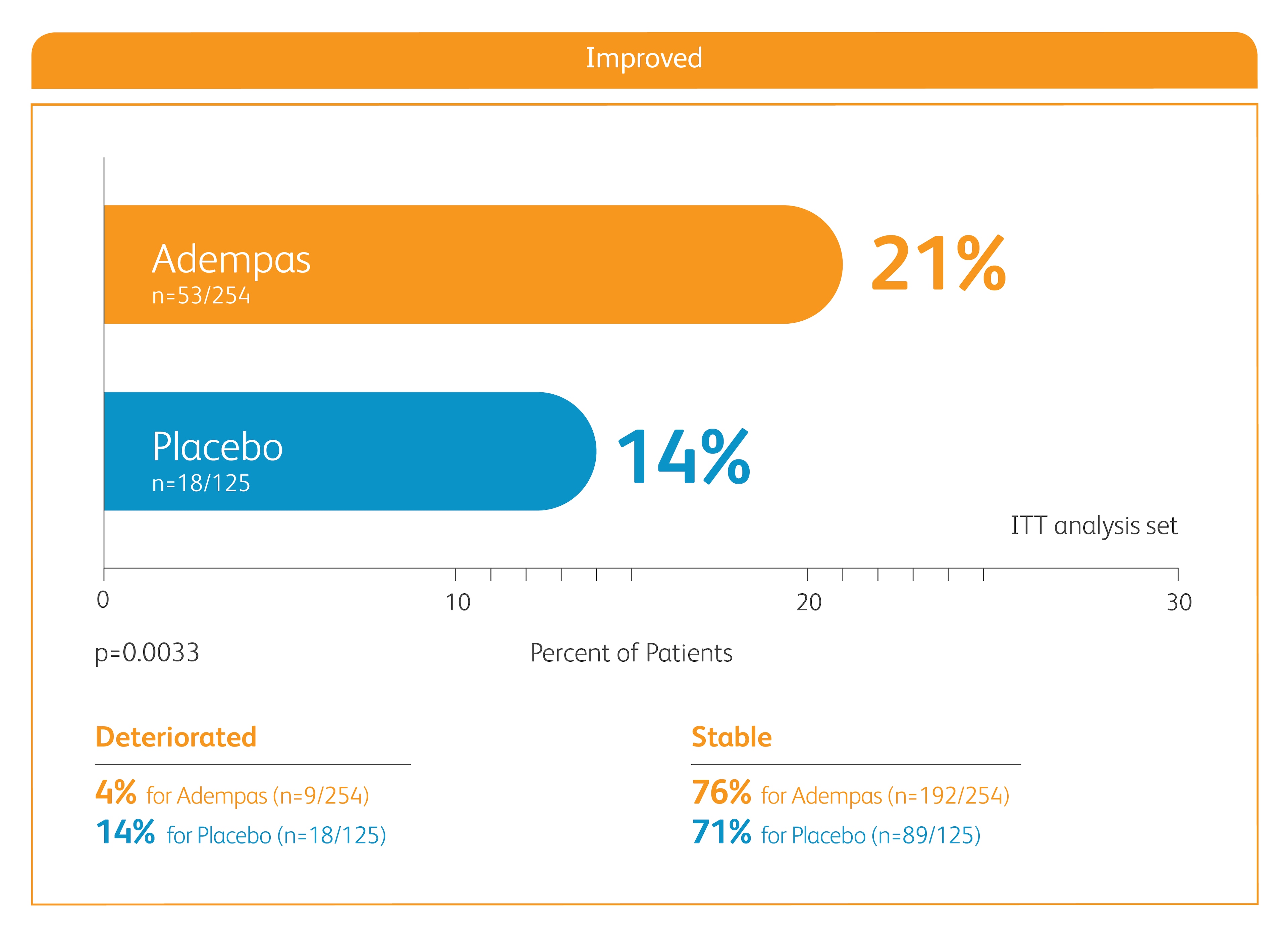
START WITH A TREATMENT THAT PROVIDED STRONG IMPROVEMENT IN WHO FC1
50% more patients improved WHO FC vs placebo1
CHANGE IN WHO FC IN THE 12-WEEK PATENT-1 STUDY1
ITT=intention to treat.
CLINICAL WORSENING
START WITH A TREATMENT THAT SIGNIFICANTLY DELAYED TIME TO CLINICAL WORSENING1*
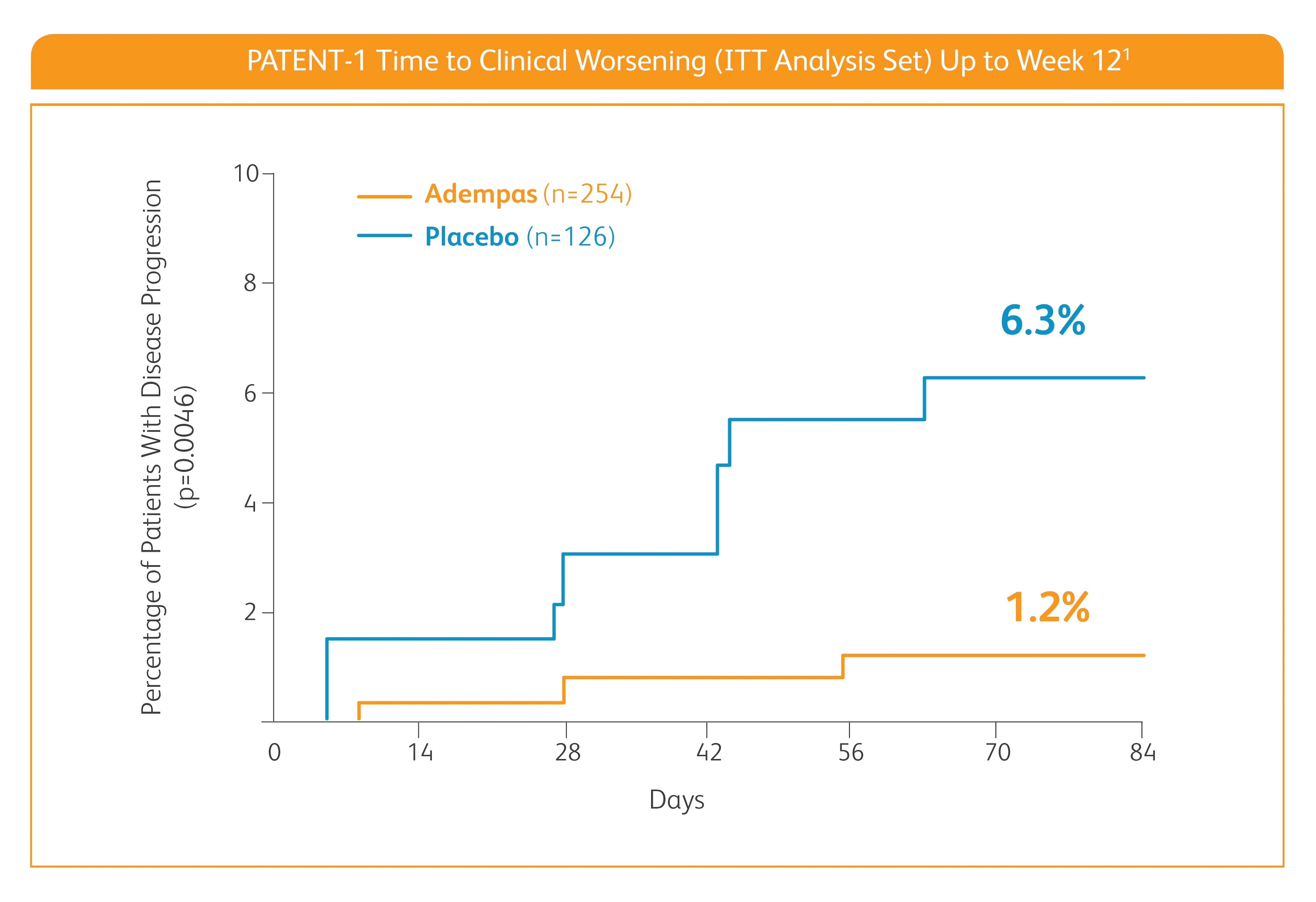
Time to clinical worsening was a combined endpoint defined as death (all-cause mortality), heart/lung transplantation, atrial septostomy, hospitalization due to persistent worsening of pulmonary hypertension, start of new PAH-specific treatment, persistent decrease in 6MWD, and persistent worsening of WHO FC.
The Kaplan-Meier plot of time to clinical worsening is presented in the figure above. Patients treated with Adempas experienced a significant delay in time to clinical worsening vs placebo-treated patients (p=0.0046; stratified log-rank test). Significantly fewer events of clinical worsening up to Week 12 (last visit) were observed in patients treated with Adempas (1.2%) compared to placebo (6.3%) (p=0.0285, Mantel-Haenszel estimate).
ADEMPAS SIGNIFICANTLY REDUCED EVENTS ASSOCIATED WITH CLINICAL WORSENING1*
In just 12 weeks, patients receiving Adempas demonstrated significantly fewer events of clinical worsening than those receiving placebo*
ANY CLINICAL WORSENING EVENT*
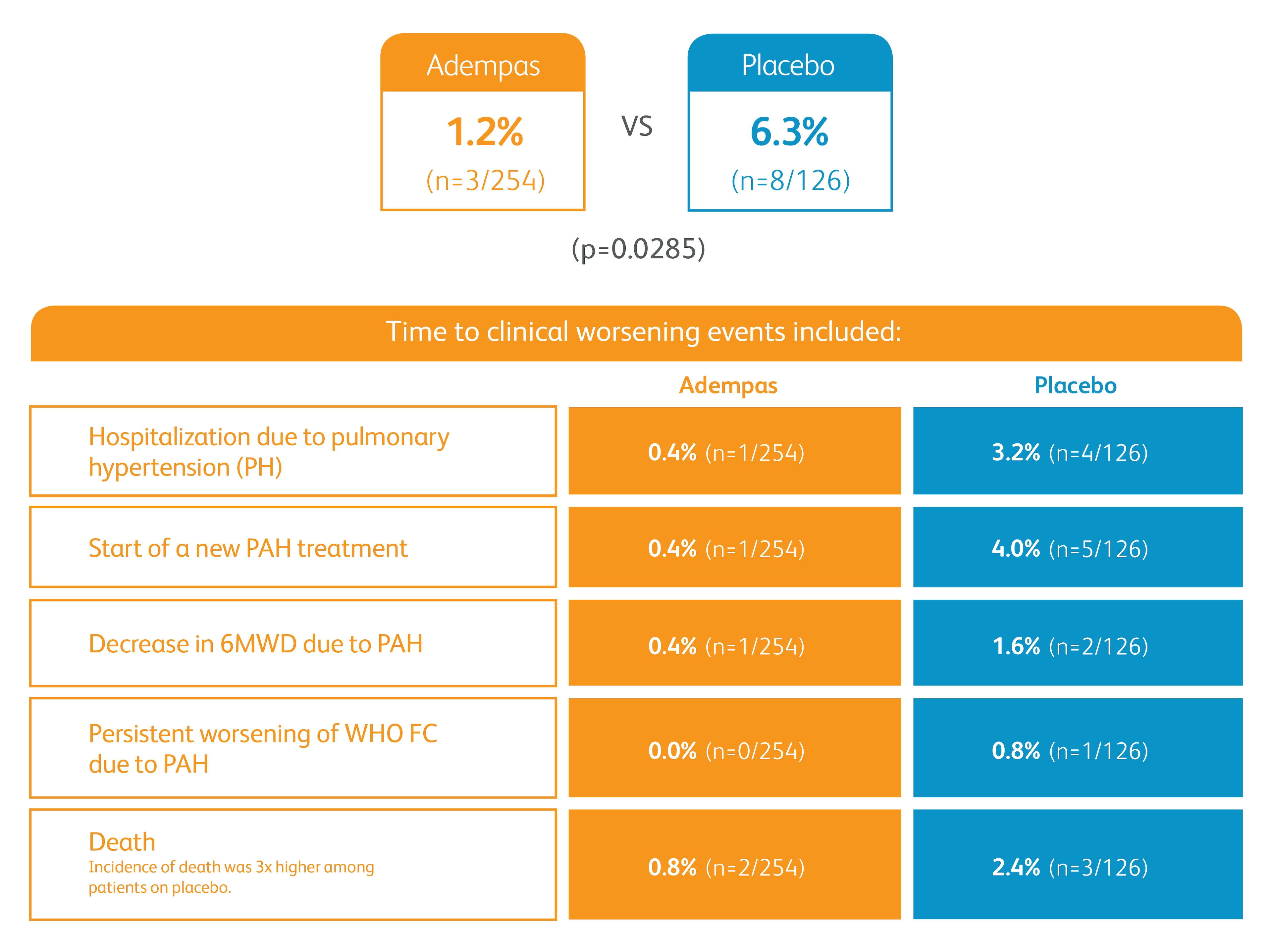
- *Time to clinical worsening was a combined endpoint defined as death (all-cause mortality), heart/lung transplantation, atrial septostomy, hospitalization due to persistent worsening of pulmonary hypertension, start of new PAH-specific treatment, persistent decrease in 6MWD, and persistent worsening of WHO FC.
- †Patients with any clinical worsening events in the 12-week trial.
- ‡Patients may have had more than one event of clinical worsening.
HEMODYNAMICS (PVR AND NT-PROBNP)
START WITH A TREATMENT THAT DELIVERED STRONG IMPROVEMENTS IN PVR AND NT-proBNP1
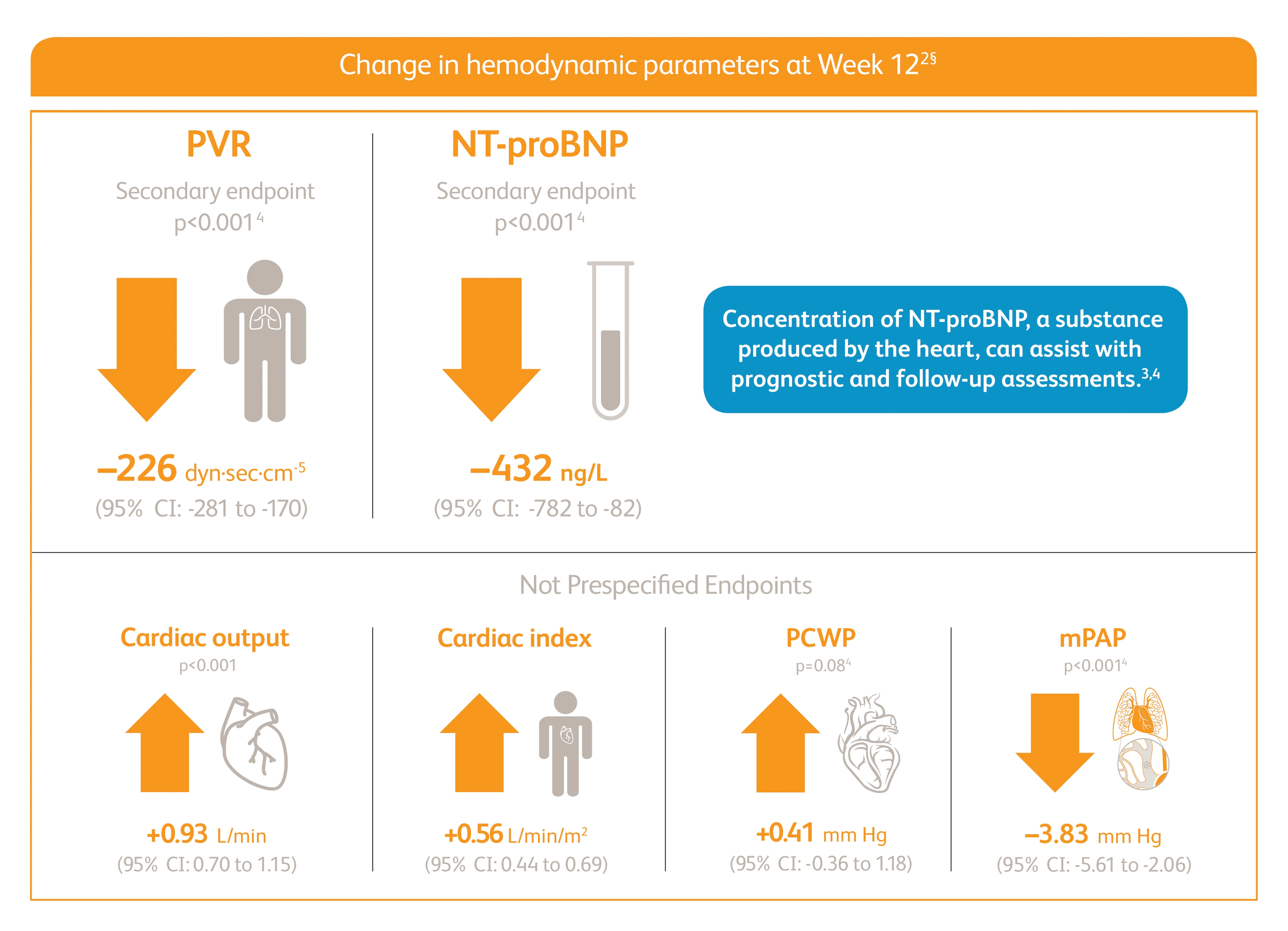
Right heart catheterization was performed at the beginning and end of the study period in 339 patients.
NT-proBNP=n-terminal prohormone of brain natriuretic peptide; PCWP=pulmonary capillary wedge pressure; PVR=pulmonary vascular resistance.
Placebo-adjusted mean change from baseline.
LONG-TERM DATA
MORE THAN 90% OF ADEMPAS PATIENTS SURVIVED AT 2 YEARS1
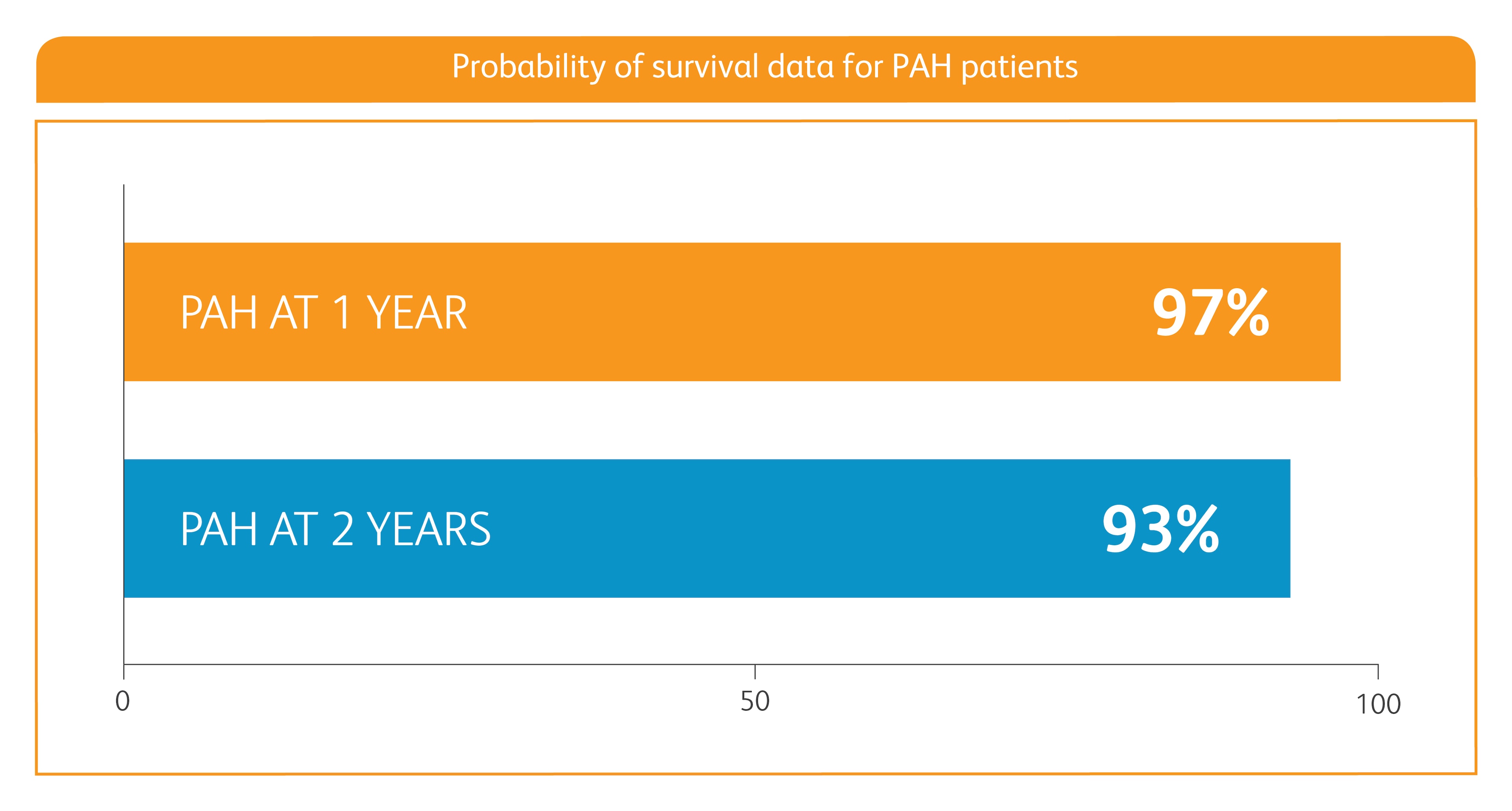
An open-label extension PATENT-2 study included 396 patients who had completed PATENT-1. At the cut-off date in the PATENT-2 study, the mean treatment duration for the total population was 1146 days (±479). Without a control group, these data must be interpreted cautiously.
MOST COMMON ADVERSE EVENTS
ADVERSE REACTIONS (FROM POOLED DATA)1||
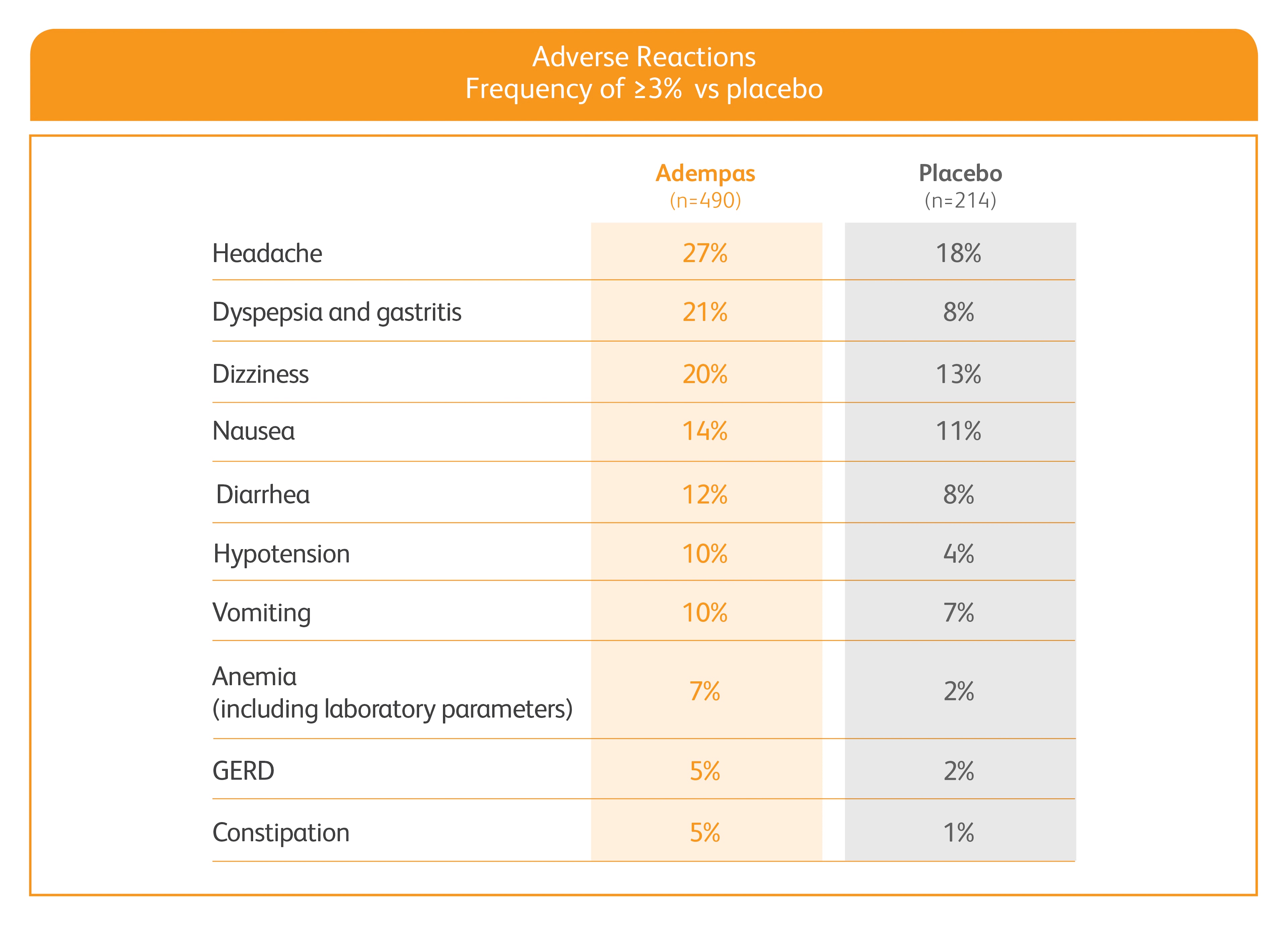
GERD=gastroesophageal reflux disease.
||Pooled from PATENT-1 and CHEST-1.
Other events that were seen more frequently in Adempas compared to placebo and potentially related to treatment were:
- Palpitations
- Nasal congestion
- Epistaxis
- Dysphagia
- Abdominal distention
- Peripheral edema
- Adempas Prescribing Information. Whippany, NJ. Bayer Pharmaceuticals Inc., 2021.
- Ghofrani HA, Galiè N, Grimminger F, et al. Riociguat for the treatment of pulmonary arterial hypertension. N Engl J Med. 2013;369(4):330-340.
- Galiè N, Humbert M, Vachiery JL, et al; ESC Scientific Document Group. 2015 ESC/ERS guidelines for the diagnosis and treatment of pulmonary hypertension. Eur Heart J. 2016;37(1):67-119.
- McLaughlin VV, Gaine SP, Howard LS, et al. Treatment goals of pulmonary hypertension. J Am Coll Cardiol. 2013;62(25):D73-D81.